



Honey-Dijon Glazed Pork Loin is the perfect show-stopping main course that’s elegant and easy to make!
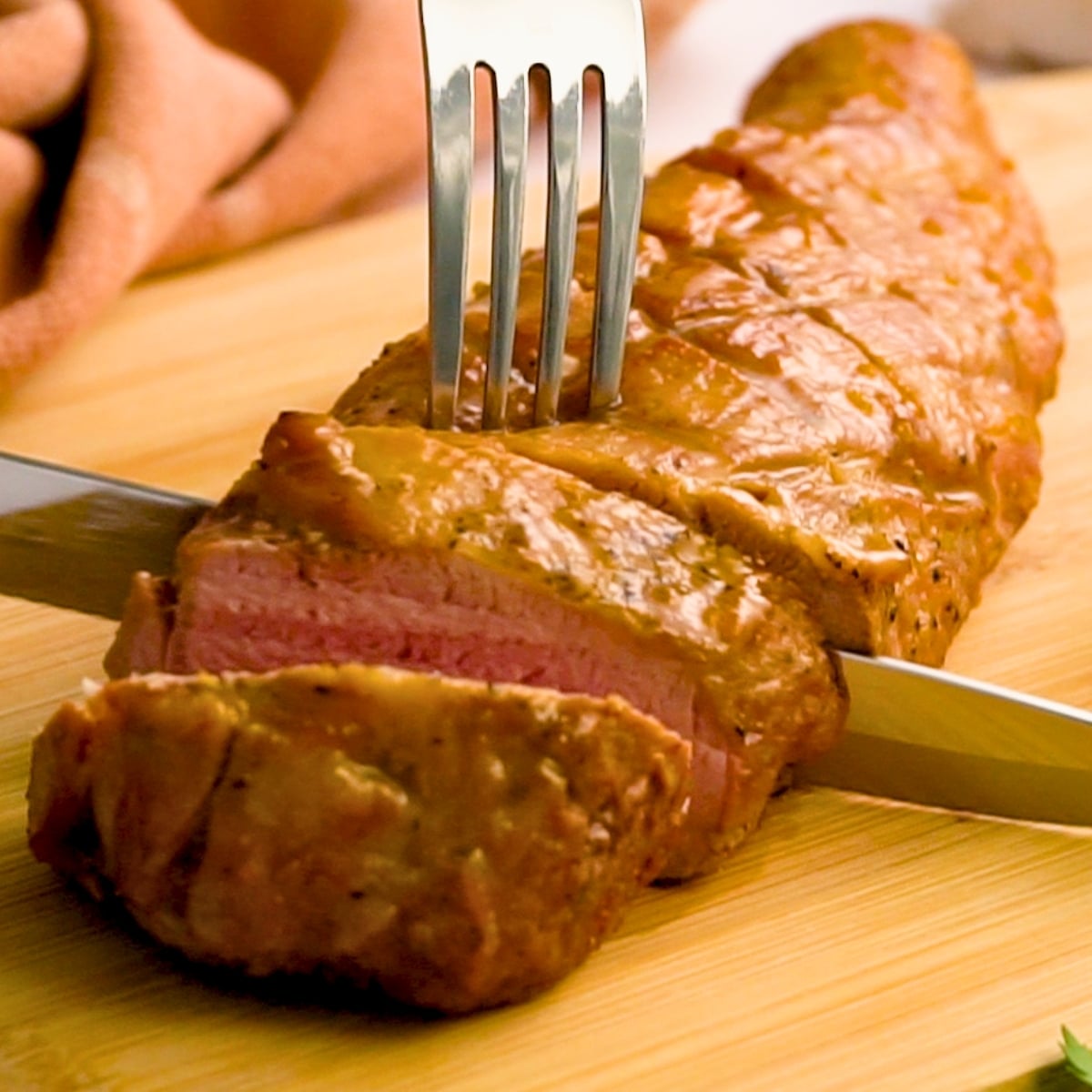
This recipe delivers a beautiful balance of savory, sweet, and tangy flavors, all brought together by a perfectly seared crust that locks in the delicious glaze. Forget dry, bland pork – I’ll show you the key to a juicy, tender pork loin with a irresistible, golden-brown crust.
Whether you’re hosting a New Year’s dinner, a holiday gathering, or simply want to elevate a family meal, this glazed pork loin fits the bill. It’s elegant enough for guests but comforting enough for a cozy night in. Plus, it pairs wonderfully with roasted butternut squash or creamy mashed potatoes.
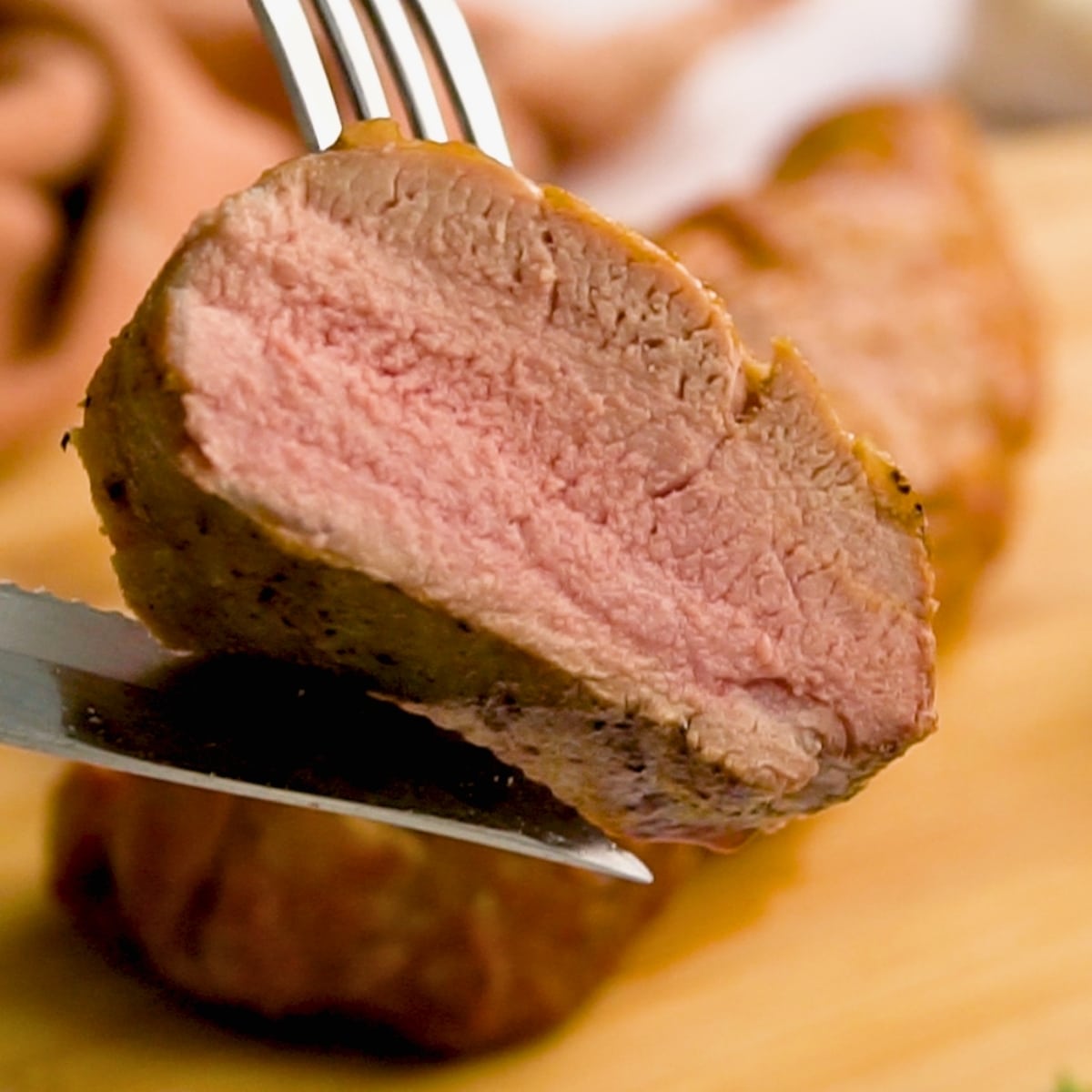
Why You’ll Love This Honey-Dijon Glazed Pork Loin
This isn’t just another pork loin recipe; it’s designed to be your new go-to for special occasions and even impressive weeknight dinners. Here’s why you’ll absolutely love making (and eating!) this Honey-Dijon Glazed Pork Loin:
- Flavor That Pops: The star of this dish is undoubtedly the glaze. It’s a perfect harmony of sweet honey, tangy Dijon mustard, a touch of rich brown sugar, and bright notes from lemon juice and orange zest. This creates a vibrant, multi-layered flavor that beautifully complements the savory pork without overpowering it.
- Juicy & Tender Every Time: We’ve built in key steps to make sure your pork loin stays incredibly juicy. Patting it dry, searing it to create a crust, and the resting period after roasting all work together to lock in moisture….. No more dry, disappointing pork! 😉
- That Irresistible Crispy Crust: The secret to a truly great glazed pork loin is a well-developed crust. Our method focuses on achieving that golden-brown, slightly crispy exterior during the searing process. This crust isn’t just for texture; it acts as a flavorful barrier, holding the glaze beautifully and adding another dimension to every bite.
- Easier Than It Looks: While this dish looks impressive, the steps are straightforward and manageable, even for less experienced cooks. We break down each part, from prepping and scoring to searing and glazing, so you can confidently create a restaurant-quality meal at home.

My Tips & Tricks
Making this glazed pork loin might seem intimidating, but with a few tricks, you’ll get perfect results every time:
Don’t Skip Patting Dry: This seemingly small step is crucial! Excess moisture on the surface of the pork will steam instead of sear, preventing you from getting that beautiful, crispy, golden-brown crust that’s essential for holding the glaze and enhancing flavor. Use plenty of paper towels.
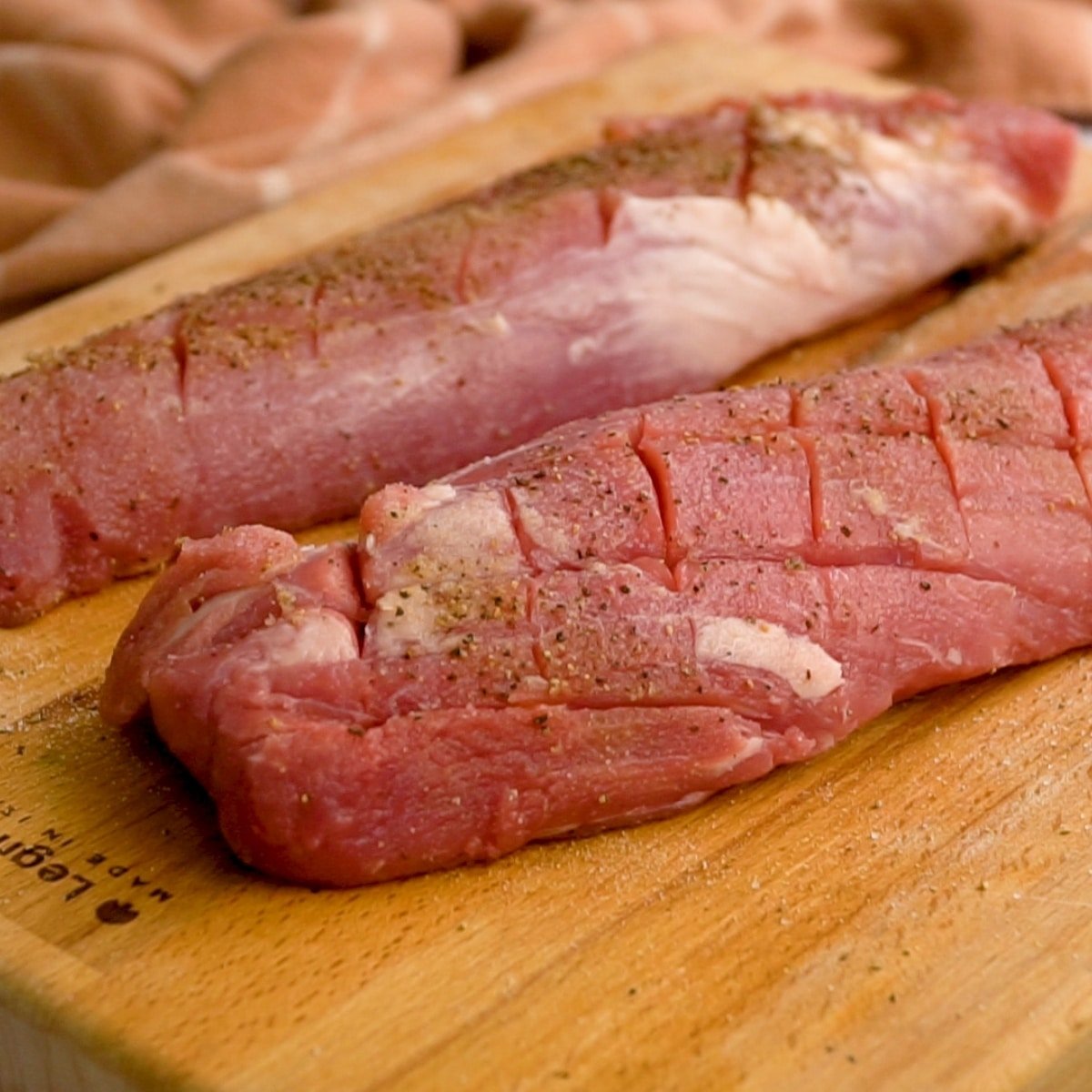
The Power of Scoring: Scoring the pork loin (making those shallow cuts) isn’t just for looks. It helps the seasoning penetrate deeper into the meat, and more importantly, it allows the fat to render and the glaze to adhere better, creating more delicious caramelized bits. Don’t go too deep – about 1/4 inch is perfect to avoid cutting into the lean meat too much.
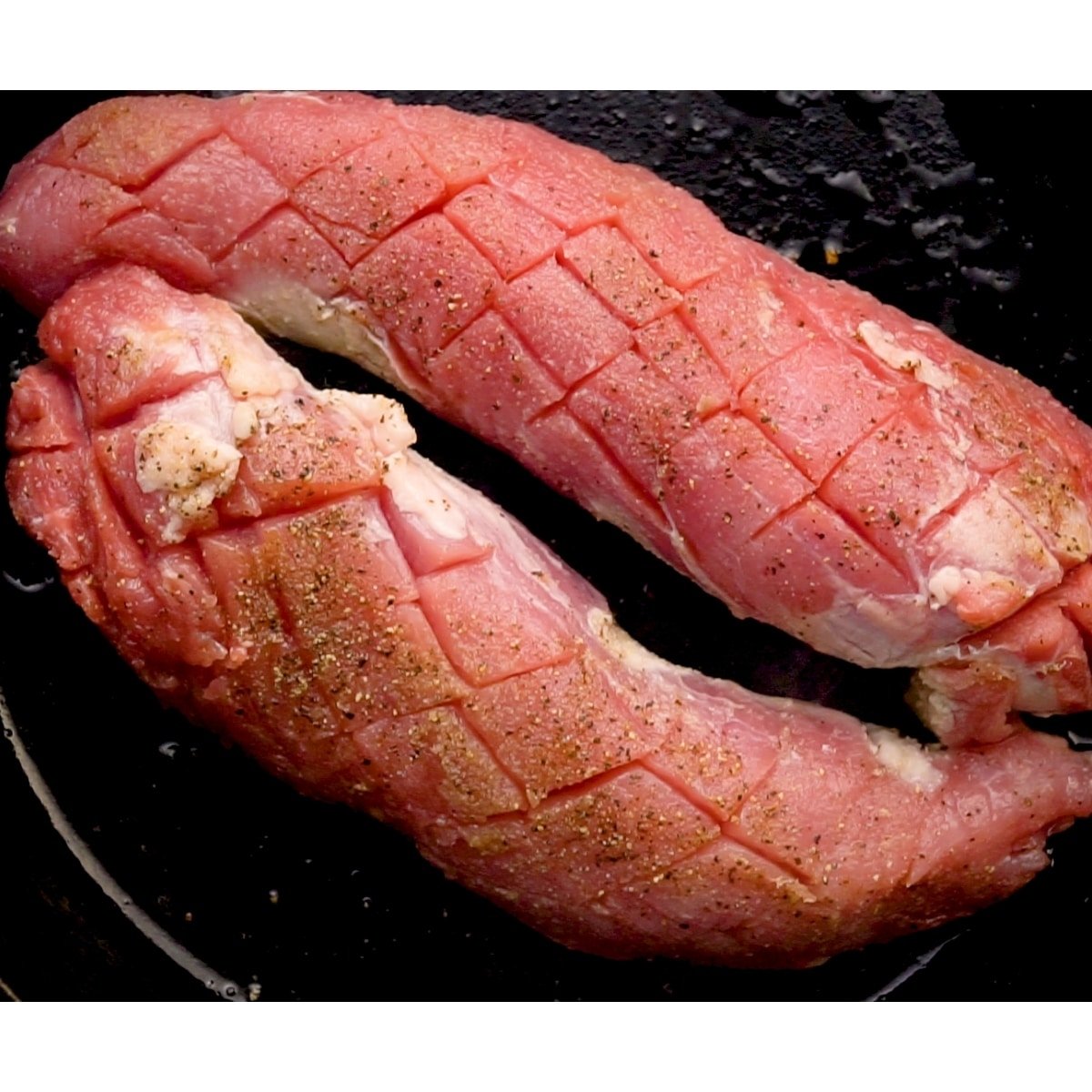
Hot Skillet, Good Sear: When searing, ensure your olive oil is shimmering and the skillet is properly hot over medium-high heat before adding the pork. A hot pan creates an immediate crust, sealing in juices. If your pan isn’t hot enough, the pork will just sit there and steam, again preventing that desired sear. Don’t overcrowd the pan if you’re cooking more than one loin – sear in batches if necessary.
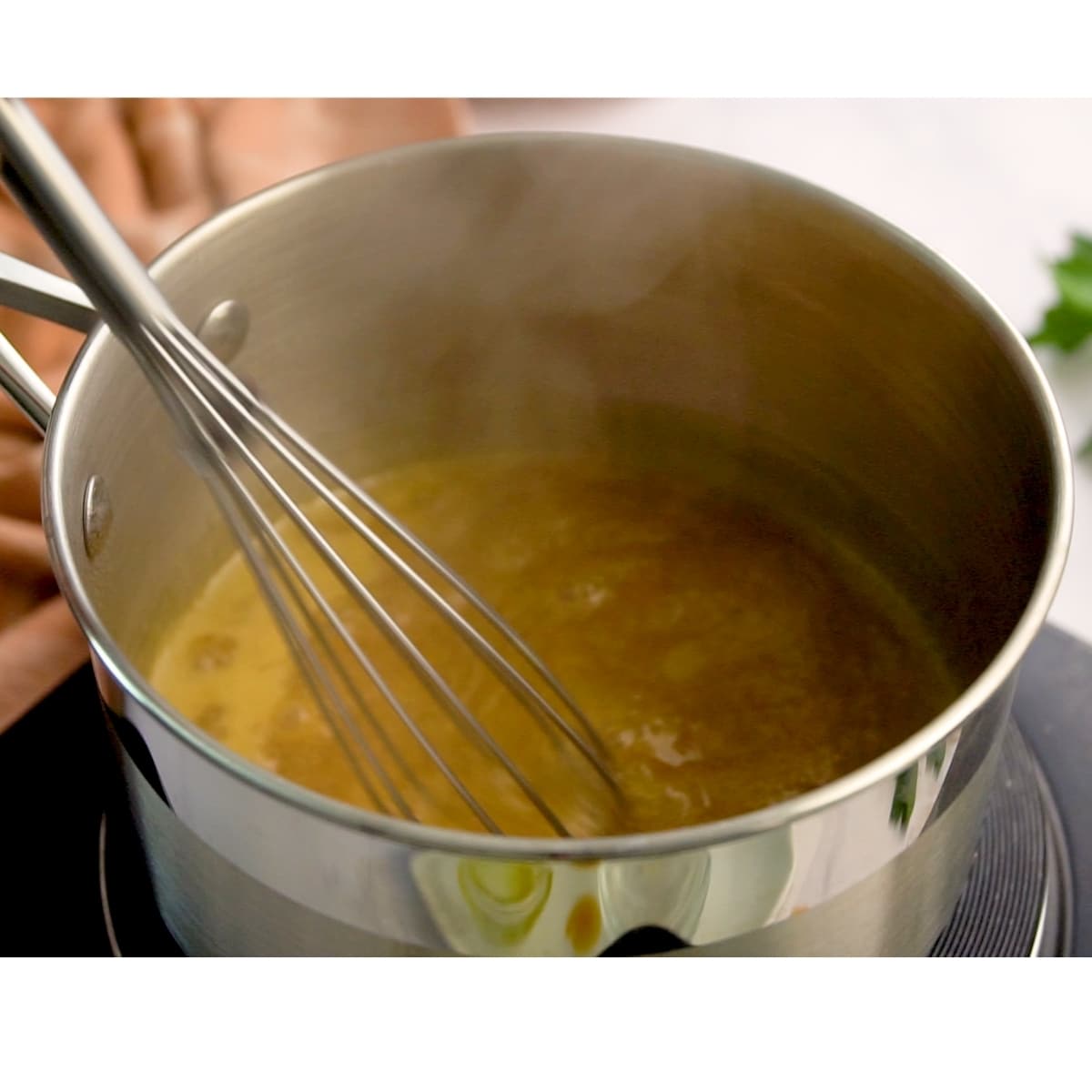
Glaze Consistency is Key: When simmering the glaze, keep an eye on it. It should thicken slightly to a consistency that will coat the back of a spoon. If it’s too thin, it will run off the pork; if it’s too thick, it might become syrupy and difficult to spread evenly. A few minutes over medium heat is usually all it takes.
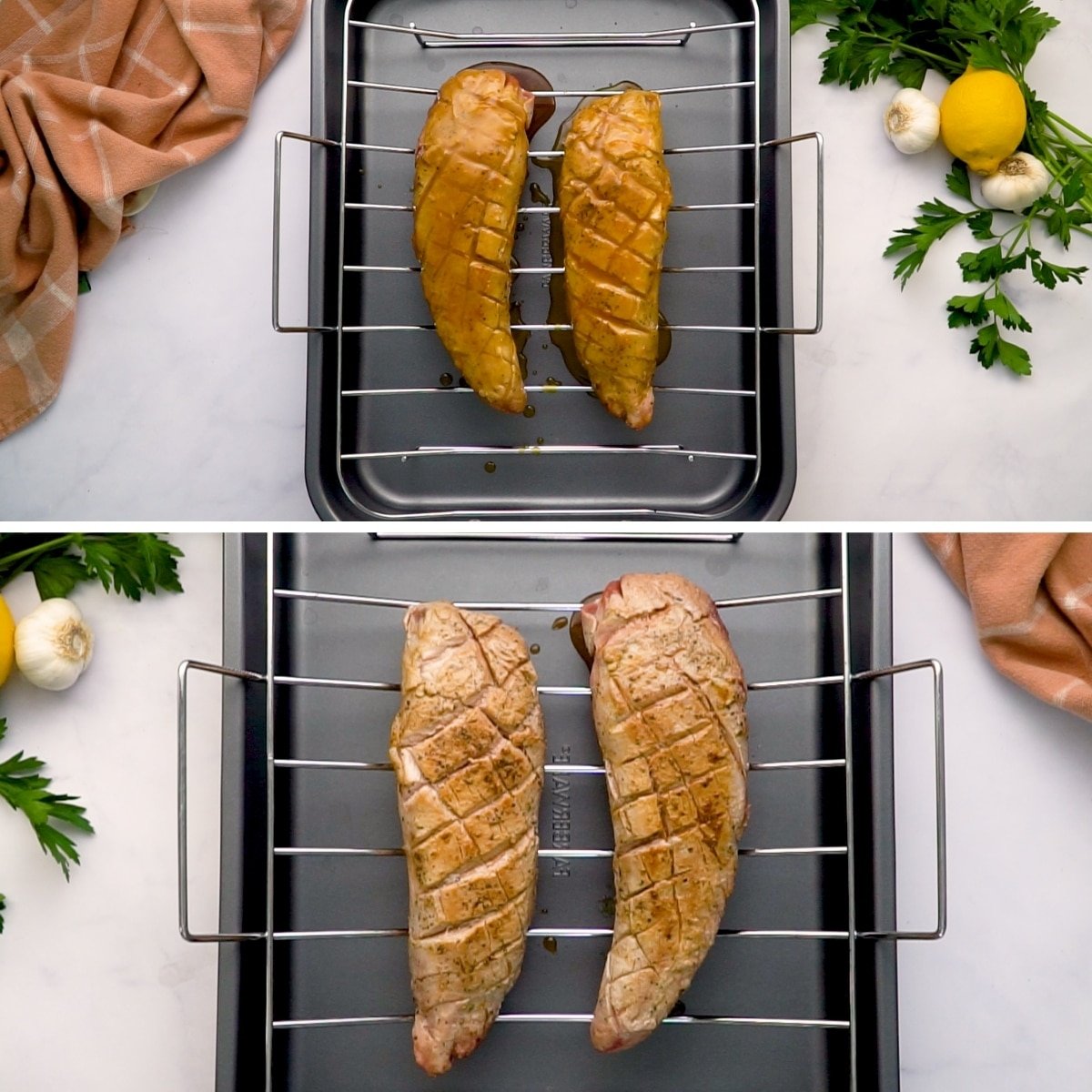
Don’t Over-Glaze Early: While you’ll brush the pork with glaze before roasting, avoid slathering on all of it right at the start. Sugar in the glaze can burn if exposed to high heat for too long. The initial brush is just enough to start building that fantastic crust. The final brushing after resting ensures maximum flavor and a beautiful sheen. 😉
An Instant-Read Thermometer: This is your best friend for perfectly cooked pork. Visual cues can be deceiving. Pork loin is safe to eat at 145°F (63°C), and cooking it to this temperature makes sure it’s juicy and tender. Insert the thermometer into the thickest part of the loin into it’s center.
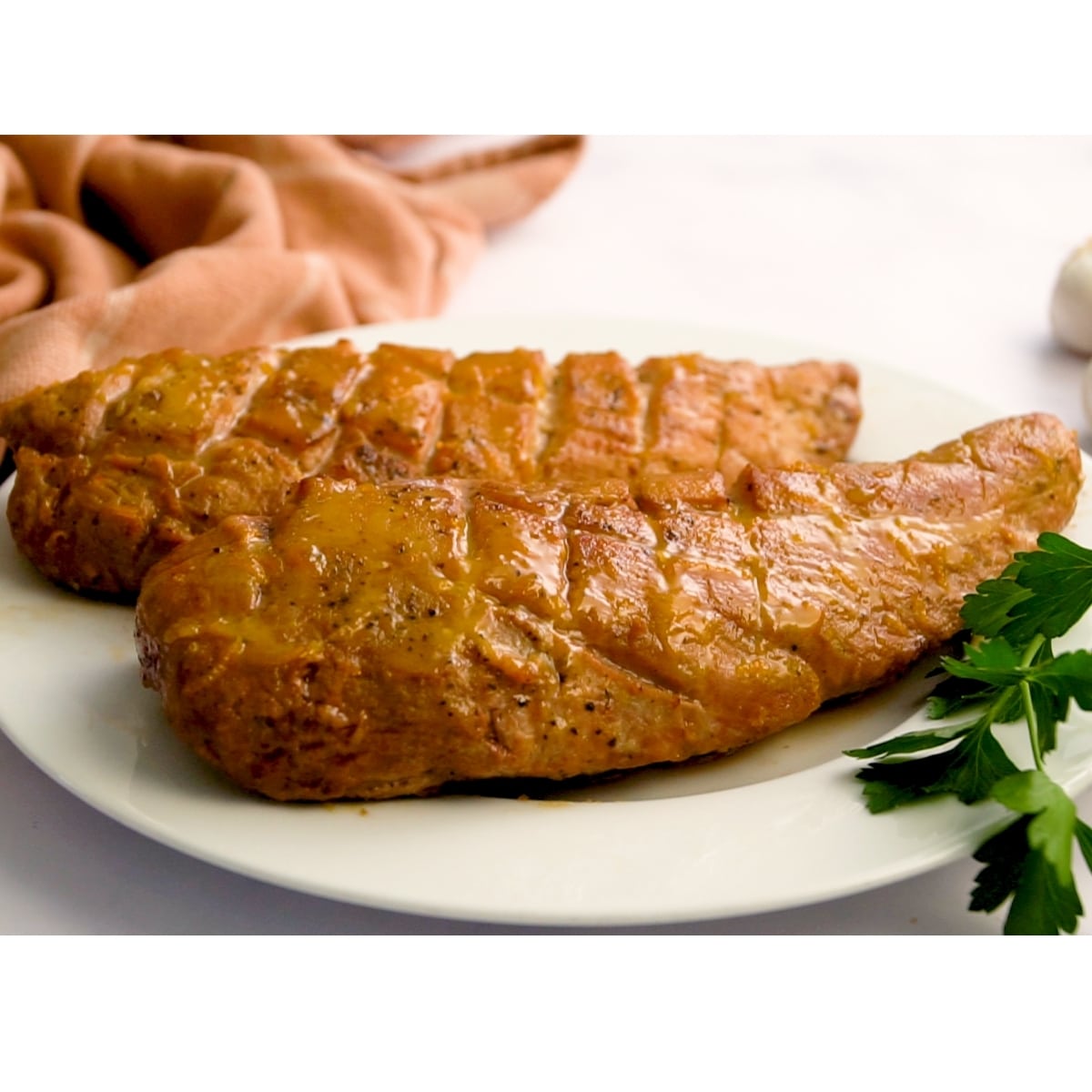
Rest after Cooking: Seriously, do not skip this step! As pork loin cooks, its muscle fibers contract, pushing juices to the center. Resting allows these juices to redistribute throughout the meat, resulting in a much more tender and juicy final product. If you cut into it immediately, all those precious juices will just run out onto your cutting board.
I want to know what YOU think! Leave a review on the recipe card or in the comments below!
Honey-Dijon Glazed Pork Loin Recipe
Ingredients
- 2 pork tenderloin about 1 pound each
- 1 tbsp olive oil
- 1 tsp salt
- 1/2 tsp black pepper
- 1/4 tsp garlic powder
- 1/4 tsp onion powder
For the Glaze
- 1/4 cup Dijon mustard
- 1/4 cup honey
- 2 tbsp brown sugar
- 1 tbsp lemon juice
- 1 tsp grated orange zest
Instructions
- Prep the Pork Tenderloins: Pat the pork tenderloins dry thoroughly with paper towels. Season all sides with salt, pepper, garlic powder, and onion powder.
- Scoring (Optional for Tenderloins): Pork tenderloins are typically very lean and usually don’t require scoring. If there’s any silver skin or thick fatty areas, you can trim them, but deep scoring isn’t generally necessary.
- Sear the Pork Tenderloins: Heat olive oil in a large skillet over medium-high heat. Add the pork tenderloins (sear one at a time if your skillet isn’t large enough to avoid overcrowding) and sear for 3-4 minutes per side, or until golden brown and slightly crispy.
- Make the Glaze: In a small bowl, whisk together Dijon mustard, honey, brown sugar, lemon juice, and orange zest until smooth. Simmer in a small pot over medium heat for about 3-4 minutes until it has thickened slightly.
- Glaze and Roast: Place the seared pork tenderloins in a roasting pan. Brush the entire surface with about half of the glaze. Roast in a preheated 400°F (200°C) oven for 10-15 minutes, or until an instant-read thermometer inserted into the thickest part of the tenderloin reads 145°F (63°C).
- Rest and Glaze Again: Remove the pork tenderloins from the oven and let them rest for 5-10 minutes. Then, brush with the remaining glaze.
- Carve and Serve: Carve the pork tenderloins into 1/2 inch thick medallions. Fan out the slices on a platter to create a beautiful display. Serve immediately with your favorite sides like roasted vegetables and creamy mashed potatoes.
Notes
Nutrition

About Juliea
Juliea is a mother of six, a sourdough baker, and a homestead builder living in Idaho. Alongside her husband and their horse, Dude, she manages a busy farmhouse and shares her love for scratch-cooking and simple homemaking. Through her blog and YouTube channel, she helps millions of families every year master the art of the handmade home.



1 comment
Timber
That recipe is formatted perfectly. The Dijon mustard is such a great combo with the brown sugar. Super Easy to follow.