


My favorite recipe for Easy Smoked Pulled Pork Butt (or as some folks like to call it, Smoked Pork Shoulder). This is my go-to whenever I need to feed a big crowd, and I don’t want to spend all day in the kitchen. Serve with BBQ baked beans!
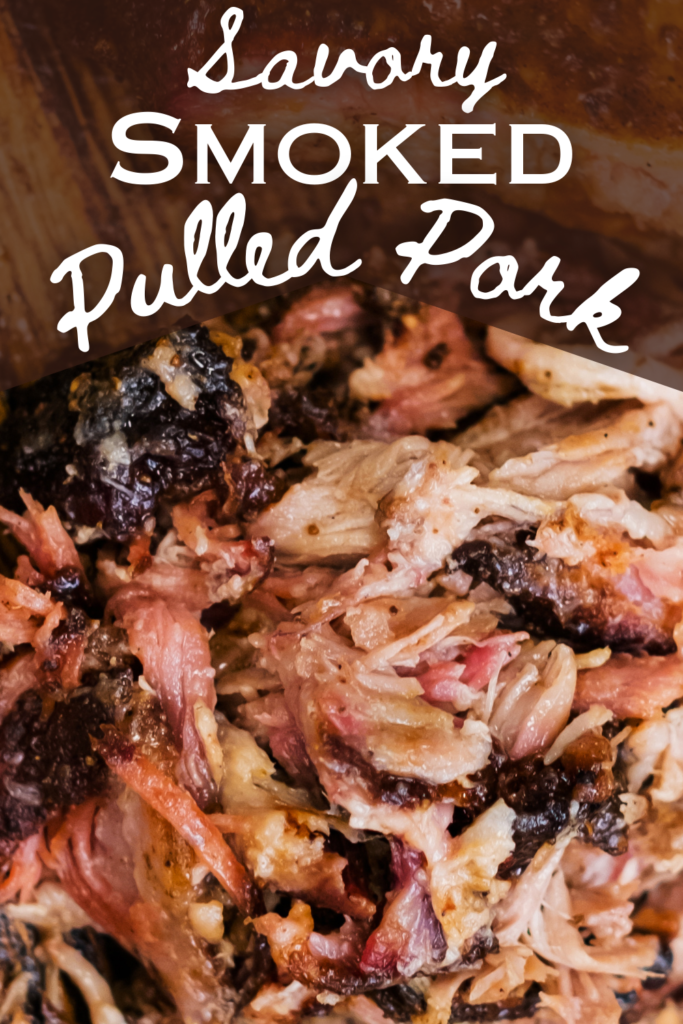
This recipe is incredibly straightforward, requiring just a few staple ingredients and a little bit of patience to deliver maximum flavor.
You’ll need a nice-sized pork butt (or shoulder) – I usually aim for about 8-10 pounds. Then, you’ll need some good quality BBQ rub. I’m sharing my own recipe! Lastly, you’ll need your favorite wood pellets or chunks – I love using hickory – and a smoker to lock in that incredible backyard flavor.
Smoked Pulled Pork
My simple process for making fall-apart smoked pulled pork is a delicious way to cook pork butt with the most flavor. It’s an easy process that just requires time, simple ingredients, and a good ol’ smoker.
This is perfect for making your first smoked pulled pork. Before getting started, make sure to read through this post (there’s lots of tips for success.) Scroll down to print the recipe card so you’ll be prepared to smoke this delicious roast to perfection!
I call this smoked pulled pork butt recipe “easy” because of how little hands-on effort it takes! It doesn’t require anything special (or wrapping) to turn out finger-licking good every. single. time!

All you need is:
- An 8 to 10-pound pork shoulder: Bone-in is best for maximum flavor and an easy check on doneness.
- Yellow mustard: Don’t worry, it won’t leave a mustard taste! It simply acts as a binder to help your seasoning stick and is crucial for building that coveted, dark bark.
- A great dry rub: You can use your favorite store-bought brand, or whip up my sweet and savory homemade blend listed below.
- A reliable smoker: I’m using an electric smoker for this batch, but any pellet grill or wood smoker works beautifully.
- Your favorite wood profile: I highly recommend using Hickory, Apple, or Pecan pellets (or wood chunks) to complement the pork perfectly.
- Plenty of time: Patience is the ultimate ingredient here!
That’s it… There are a few additional options, but that’s all you really need!

Smoked Pork Butt vs. Smoked Pork Shoulder
When you’re shopping for this recipe, you might see labels like pork shoulder, bone-in pork shoulder, Boston butt, or pork butt. Don’t let the marketing confuse you—they all refer to the exact same cut of meat! And despite what the name implies, a pork butt doesn’t come from the pig’s rear end at all; it’s actually cut from the upper section of the front shoulder.
Because this muscle group works hard, it is packed with tough connective tissue. That’s exactly why it’s the ultimate choice for your smoker. If you tried to slice and serve a pork shoulder like a quick weeknight steak, you’d be chewing for days.
By committing to a low and slow cooking method, you allow that stubborn connective tissue to fully melt away. That patience is what transforms a tough, affordable cut into a deeply flavorful, melt-in-your-mouth masterpiece that pulls apart with zero effort.

Sweet & Savory Dry Rub Recipe
When cooking pork shoulder for delicious pulled pork, I love using a sweet and savory dry rub because it add loads of flavor. This go-to dry rub recipe is for a 10-pound pork shoulder and it never disappoints. It’s the perfect combination of sweet brown sugar and savory spices—including paprika, garlic, onion, kosher salt, black pepper, and a pinch of cayenne if you like a little heat.
Best Smoker Temperature
For the best pulled pork I recommend setting your smoker to a temperature of 225°F. This will allow for slow and steady cooking, resulting in tender and flavorful meat.
Fat Cap
When it comes to smoking a pork butt or shoulder, the way you place the meat on the smoker makes a difference in the end result. One thing to keep in mind is the fat cap (the layer of fat that sits on top of the meat.)
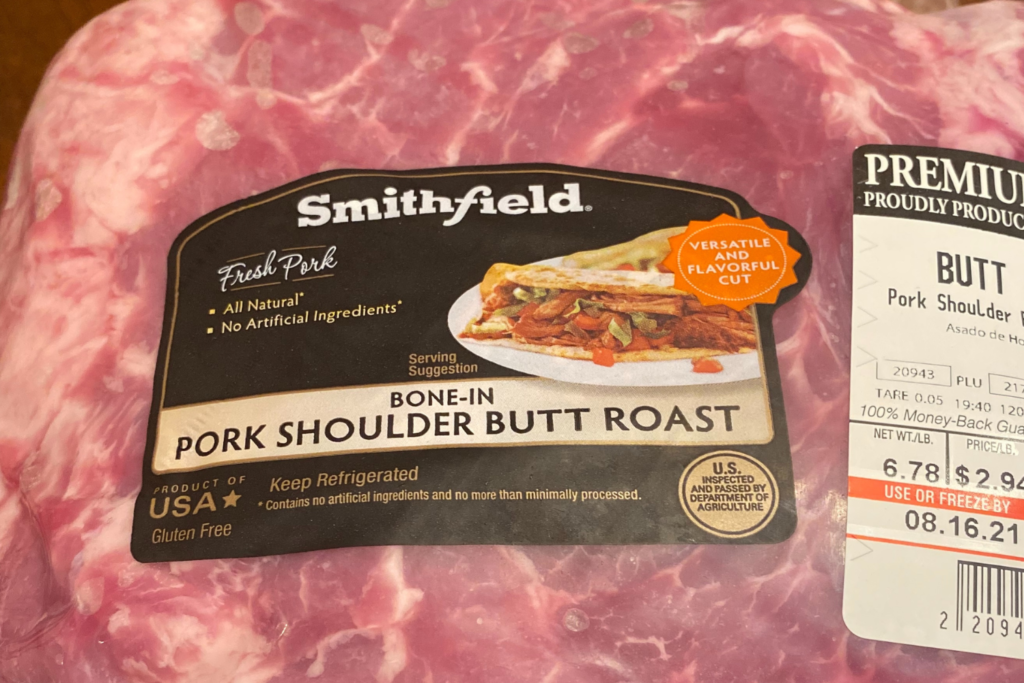
Most pitmasters believe that placing the pork butt with the fat side up allows the fat to melt and drip down over the meat, keeping it moist and adding flavor. Others place the meat with the fat cap facing down to protect the meat from direct heat and prevent it from drying out.
I place my pork butt with the fat cap facing up, but there’s no “right” way to do it.
Another important consideration when placing the pork butt on the smoker is making sure it’s in a spot where it will cook evenly. Avoid any hot spots or areas where the meat might be too close to the heat source.
Place your pork butt on the grate with plenty of space around it so that the smoke can circulate evenly.
Smoked Pulled Pork Cook Time Per Pound
As a general rule of thumb, plan on about 1.5 to 2 hours per pound at 225°F. For an 8 to 10-pound shoulder… That means keeping your smoker steady for between 12 to 20 hours. Remember, this is just an estimate – weather, wind, and your specific smoker will affect the timeline. That’s why we cook to internal temperature and texture, not by the clock.
That’s why I’m telling you to use a good instant-read probe thermometer to check the internal temperature throughout the smoking process. You’ll know it’s ready when the internal temperature hits 200°F (in the thickest part) and your probe slides into the meat like warm butter, or the shoulder bone pulls out completely clean.
Smoking a pork butt requires a bit of patience and attention, but the end result is well worth it! Just remember to plan ahead and be prepared for the long smoking time, and you’ll be rewarded with delicious, melt-in-your-mouth pulled pork every time!

Understanding the Temperature “Stall”
Invest in a good instant-read probe thermometer to monitor the internal temperature of your pork. It is an absolute lifesaver, especially when you hit the infamous “stall” phase of the cooking process.
As you smoke the meat, the internal temperature will rise quite quickly up to about 150°F. But then, something frustrating happens: the temperature gauge stops moving entirely. It can sit stuck anywhere between 150°F and 170°F for hours, making you think your smoker died or you did something wrong.
Don’t panic! This is completely normal and is known as evaporative cooling. Essentially, the pork begins to sweat. As the moisture forces its way to the surface of the meat and evaporates, it cools the pork down at the exact same rate the smoker is trying to heat it up.
When you hit the stall, you have two choices:
- The Fast Track (Wrapping): You can wrap the pork tightly in aluminum foil or pink butcher paper. This traps the moisture, stops the evaporative cooling process, and pushes the meat past the stall much faster.
- The Purist Track (No Wrap): For this simple recipe, we aren’t wrapping it at all. Leaving it bare takes more patience, but it is much easier and yields a better result. More time on the grate means more exposure to the smoke—and more smoke translates to unbelievable flavor.
Trust the process.. Letting the smoker work its magic right through the stall allows moisture to dry out on the surface! This is the secret to getting a thick, delicious exterior crust or “bark”. This dark, caramelized bark might look burnt to an amateur… But experienced backyard pitmasters know that crunchy, intensely flavorful exterior is the best part of the pork!
*Optional – Water Pan
The water pan is an essential component of this smoked pork butt recipe, as it helps to regulate the temperature inside the smoker and keep the meat moist during the long cooking process. Fill the water pan with hot water and place it on the bottom rack of the smoker.
If you want to add some extra flavor to your smoked pork butt, you could consider adding apple juice or apple cider vinegar to the water pan instead of plain water. Simply substitute the hot water with either apple juice or a 50/50 mixture of apple cider vinegar and water in the water pan, and proceed with the recipe as directed.
Apple juice or apple cider vinegar add a delicious sweet and tangy flavor to the meat, which complements the smoky flavor from the wood chips. Plus the acidity in the vinegar helps tenderize the meat and make it more succulent!
How to Serve
I highly recommend serving this smoked pulled pork as a main dish for any occasion. Once the meat has been shredded, I like to serve it on a platter with a side of barbecue sauce for guests to add to their liking.
It can be served with buns as a classic pulled pork sandwich, or used as a topping for nachos and pizza… The possibilities are endless!
Pairing
This smoked pulled pork is so delicious, it goes great with so many things… My favorite are: Soft Sourdough Rolls and a big Loaded Potato Salad. But my kids really love a Simple Pasta Salad and sweet Strawberry Walnut Salad! Then again, you just can’t go wrong with Candied Yams and Baked Beans!
How to Store Leftovers
After smoking a pork butt for pulled pork, I recommend storing any remaining meat in an airtight container or zip-top bag in the refrigerator for up to 3-4 days.
If you have more leftovers than you can eat in that time, you can also freeze the pulled pork for later use. To do this, simply place the meat in a freezer-safe container or bag and store in the freezer for up to 3 months.
When you’re ready to use the frozen pulled pork, thaw it in the refrigerator overnight or in the microwave on the defrost setting. Once it’s thawed, you can reheat the pulled pork in the microwave, on the stovetop, or in the oven until it’s heated through.
Let me know what you think!
If you have any questions, leave them in the comments below and I’ll email you! Also, I’d really appreciate a review in the recipe card… Thank YOU so much!

Smoked Pulled Pork Recipe
Ingredients
- 8 – 10 pound pork shoulder
- 1/4 cup yellow mustard (as a binder)
- 1 cup brown sugar
- 2 tablespoons paprika
- 2 tablespoons garlic powder
- 2 tablespoons onion powder
- 2 tablespoons chili powder
- 2 tablespoons kosher salt
- 2 teaspoons black pepper
- 1/2 teaspoon cayenne pepper
Instructions
- Slather your pork butt roast with yellow mustard.
- Combine all of the seasoning ingredients in a bowl and mix until well combined.
- Generously apply the dry rub to the entire surface of the pork shoulder, making sure to coat it well.
- Allow the mustard and dry rub to rest on the pork shoulder for at least 30 minutes. *For best results, put it in a bowl, cover it with plastic wrap and let it rest in the fridge overnight!*
- Preheat your smoker, and add hot water to the water pan on the bottom rack of the smoker (if using.)
- Smoke your pork shoulder roast low and slow (at 225 degrees) until it reaches an internal temperature of 195-200°F internal temper. (15-20 hours).
- Remove the smoked pork shoulder from the smoker and let it rest for at least 30 minutes before pulling the meat apart with forks. Serve & Enjoy!
Notes
Nutrition

About Juliea
Juliea is a mother of six, a sourdough baker, and a homestead builder living in Idaho. Alongside her husband and their horse, Dude, she manages a busy farmhouse and shares her love for scratch-cooking and simple homemaking. Through her blog and YouTube channel, she helps millions of families every year master the art of the handmade home.



3 comments
Juliea Huffaker
That’s great Murnie… Let me know if you have any questions!
Linda Bice
Omg! This was fantastic. Put on at midnight and was down at 3:00 that afternoon. Family loved it. Definitely doing this again soon.
juliea
Thank You Linda! So Glad you and your family loved it!