


If you’ve walked through the grocery store lately, pulled your receipt from the register, and felt a pit in your stomach… You’re not alone!
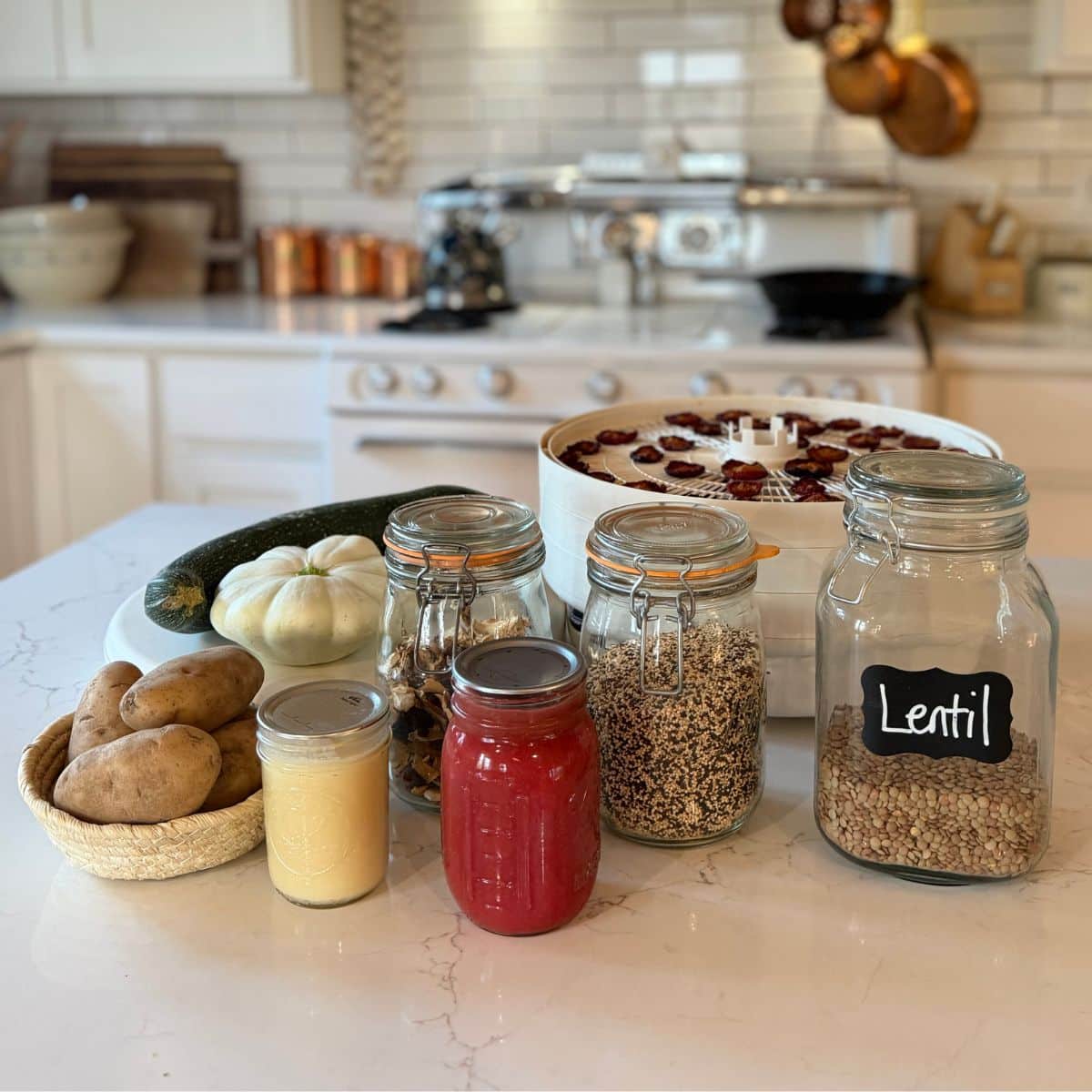
Rising costs have hit family food budgets hard over the last couple years. Feeding a household today can feel like a high-wire act, especially when you’re trying to serve wholesome, nourishing food without spending more than you should.
When costs rise, I like to look back at how earlier generations managed with less. Women during the Great Depression weren’t just cooking to survive… They were kitchen experts! Have you heard the saying, “waste not, want not?” By using these traditional depression era kitchen habits, women in the Great Depression knew how to make a dollar stretch across a week of meals, how to preserve every harvest, and waste nothing!
Returning to those old-fashioned, from-scratch principles isn’t about deprivation or eating boring food… It’s about building a self-reliant, resilient kitchen that gives you more control over your budget. I hope you love these 10 time-tested kitchen habits that will slash your grocery bill starting this week!
Rethinking Meat & Protein
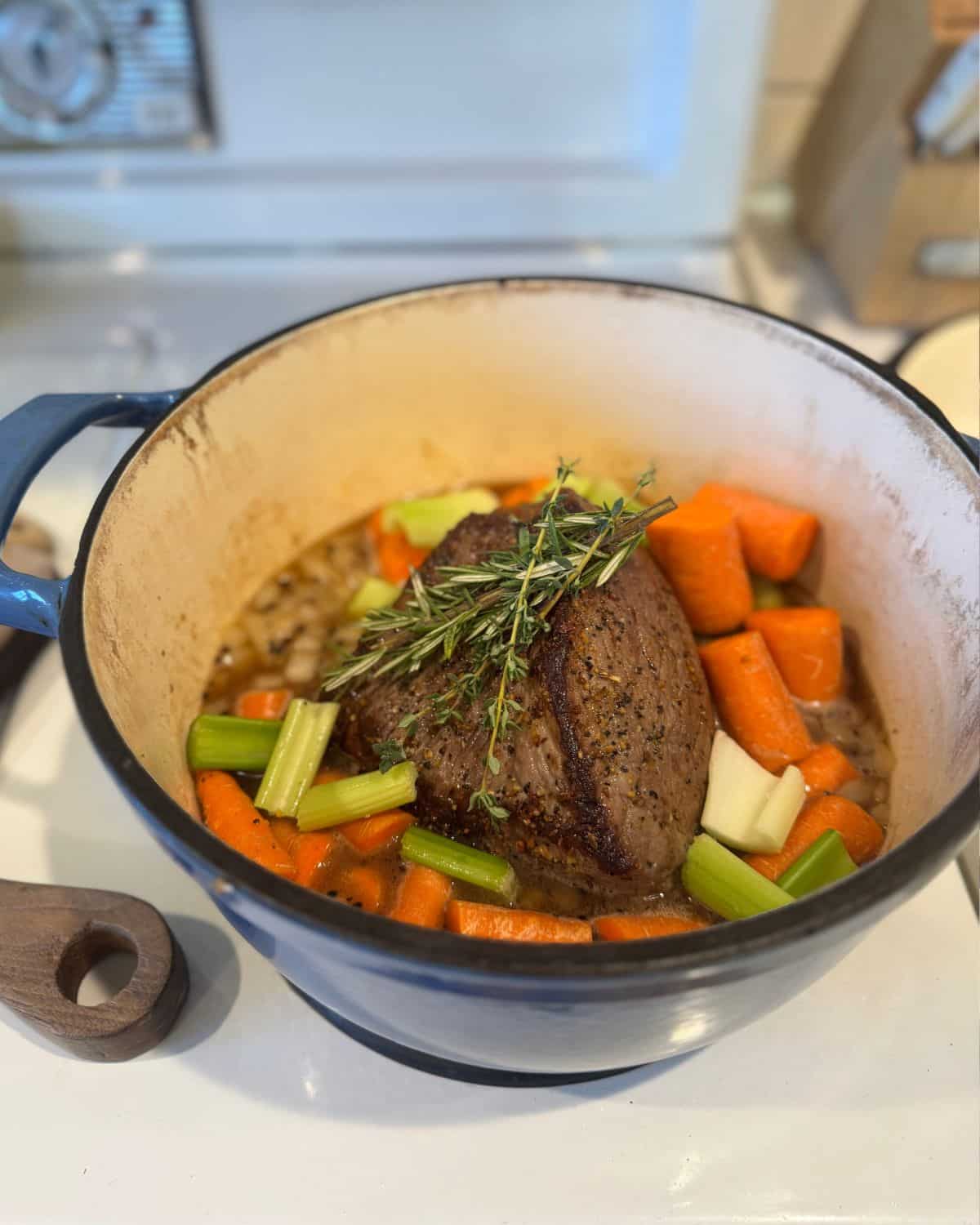
Meat is almost always the single most expensive item on a grocery receipt. The goal isn’t necessarily to eliminate it, but to shift how we view and portion it. Rump roasts are one of the most economical beef roasts… And leftovers make the best beef stew!
1 – Use Meat as a Seasoning, Not the Whole Plate
Have you ever heard of Dr. Fuhrman? He’d LOVE this one! Instead of building a meal around a massive steak or individual chicken breasts for every plate, think of meat as a rich flavor component rather than the main event.
How to do it: Use a single diced chicken breast in a huge pot of vegetable stew… Or save your holiday ham bone and simmer a pot of lentil soup or with split pea soup! Try tossing a small amount of browned sausage into a large sheet-pan dish of roasted root vegetables. You can also use a good chili recipe, and use half the ground beef… It tastes the same, but just end up eating more veggies and beans!

Roasting a whole chicken, and turning leftovers into creamy chicken soup is one of the most satisfying meals, and costs almost nothing! The Savings: Cutting meat portions in half by loading dishes with grains and veggies will instantly drop your meat spend by 40% to 50%… That’s significant!
2 – Master Inexpensive Cuts with Slow-Cooking: Pre-cut, boneless, skinless meat carries a heavy “convenience tax”… Lean into tougher, less expensive cuts like pork butt, chuck roast, bone-in chicken thighs, or whole birds.
- How to do it: Low-and-slow cooking breaks down tough meat into rich, melt-in-your-mouth tenderness. Roast a pork shoulder all afternoon, or let a chuck roast simmer until it pulls apart with a fork.
- Bonus Tip: Buying whole chickens and breaking them down yourself yields two breasts, two thighs, two wings, and a carcass for stock at a fraction of the cost per pound.
3 – Bulk Up Ground Meat with Kitchen Staples: Ground beef, ground turkey, and ground pork can easily feed twice as many people with a simple filler strategy that won’t compromise on flavor or texture.
When making meatloaf, meatballs, taco meat, or burger patties, mix in equal parts cooked brown rice, rolled oats, cooked brown lentils, finely grated potatoes or or whatever garden zucchini is currently taking over your counter!
The extra ingredients soak up all those delicious meat juices, keeping the dish moist while stretching 1 pound of meat into 2 full pounds of food.
Zero-Waste Scrap Management
In a traditional homestead kitchen, throwing food in the trash is like tossing dollar bills right into the bin!
| Kitchen Scrap Recovery | |
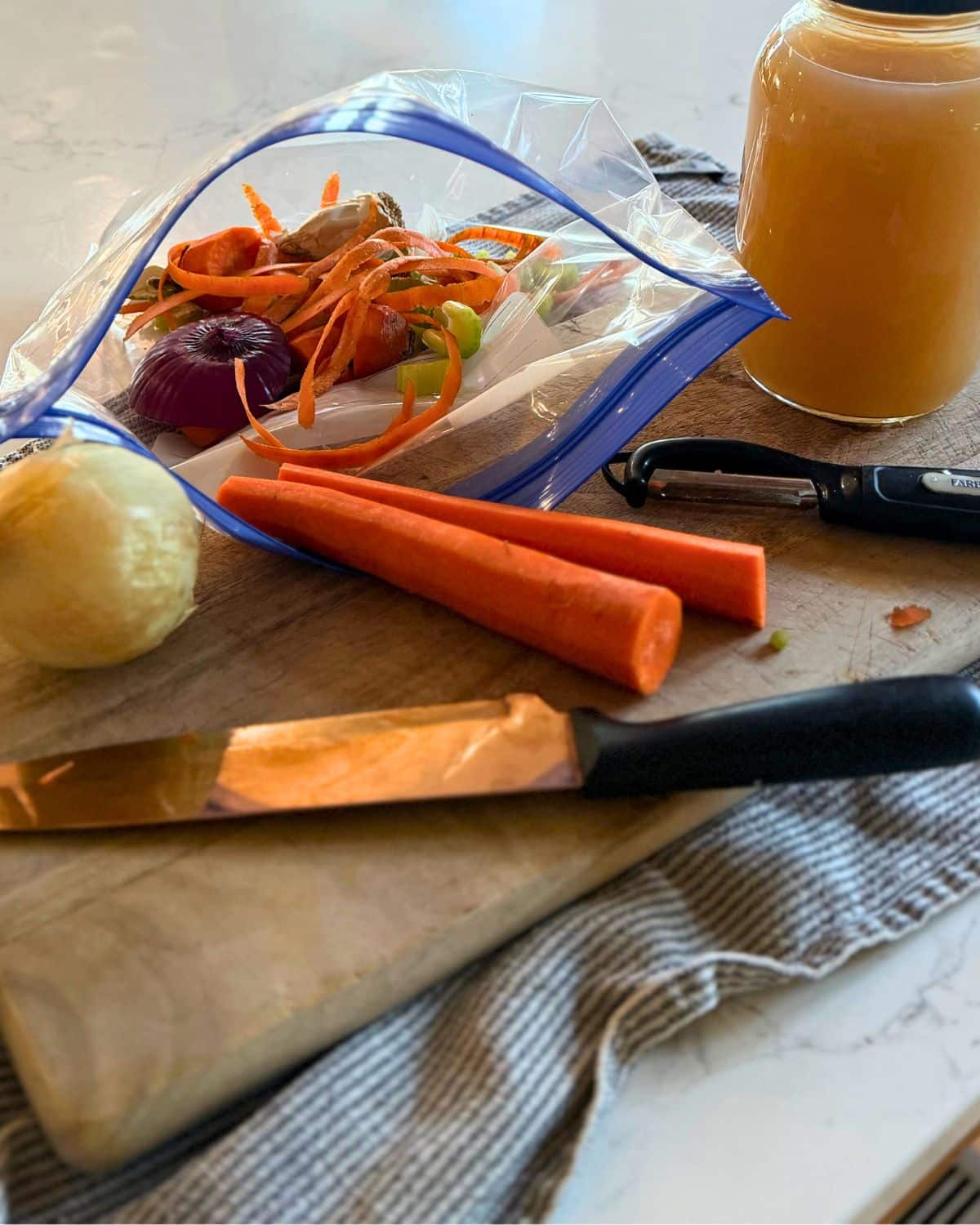
| Veggie Trimmings | Keep a freezer bag for onion skins, celery tops & carrot peels ──> Simmer into rich veg stock. |
| Stale Bread | Cube & bak = Croutons Blitz in food processor = Breadcrumbs Soak in egg/milk batter = French Toast Bake or Bread Pudding |
| Cooking Fats | Strain & jar bacon grease & roast chicken drippings = Free cooking oil for frying eggs. The roast chicken drippings make the best chicken broth for chicken gravy! |
4 – Keep a “Stock Bag” in the Freezer
Don’t throw away meat bones, vegetable peelings, trim scraps, or animal bones! Keep a large gallon freezer bag in your freezer. Every time you chop onions, peel carrots, trim celery, or strip herbs, toss the clean scraps into the bag. Save all your chicken, beef, or pork bones in a separate bag.
When the bags are full, dump everything into a stockpot or slow cooker, cover with water, and let it simmer all day—your house will smell amazing! Strain out the solids, and you’ve got rich, mineral-packed bone broth without spending a single extra dime!
5 – Give Stale Bread & Grains a Second Life
Bread that has lost its freshness should never see the trash can. Slice and freeze it for toast, cut it into cubes and toss with olive oil and herbs for homemade croutons, or pulse it in a blender for breadcrumbs.
For Leftover Grains: Cold, day-old rice makes the best fried rice. Extra cooked quinoa or oatmeal can be stirred into sourdough pancake batters, healthy muffins, or soup bases to add carbs and make it more filling.
6 – Render and Save Cooking Fat
Store bought cooking oils and butter have jumped up in price quite a bit… Our grandmothers always had a little glass jar of bacon grease sitting right by the stove, and for good reason! We should follow their lead.
How to save fats: Pour off bacon grease, chicken fat (schmaltz), or beef drippings through a fine-mesh strainer into a clean glass jar stored in the fridge!
Then use it! Use bacon grease to fry morning eggs or season a pot of pinto beans. Use chicken fat to sauté onions and vegetables for soups. It adds incredible depth of flavor for free.
Cooking from Scratch & Pantry Meals
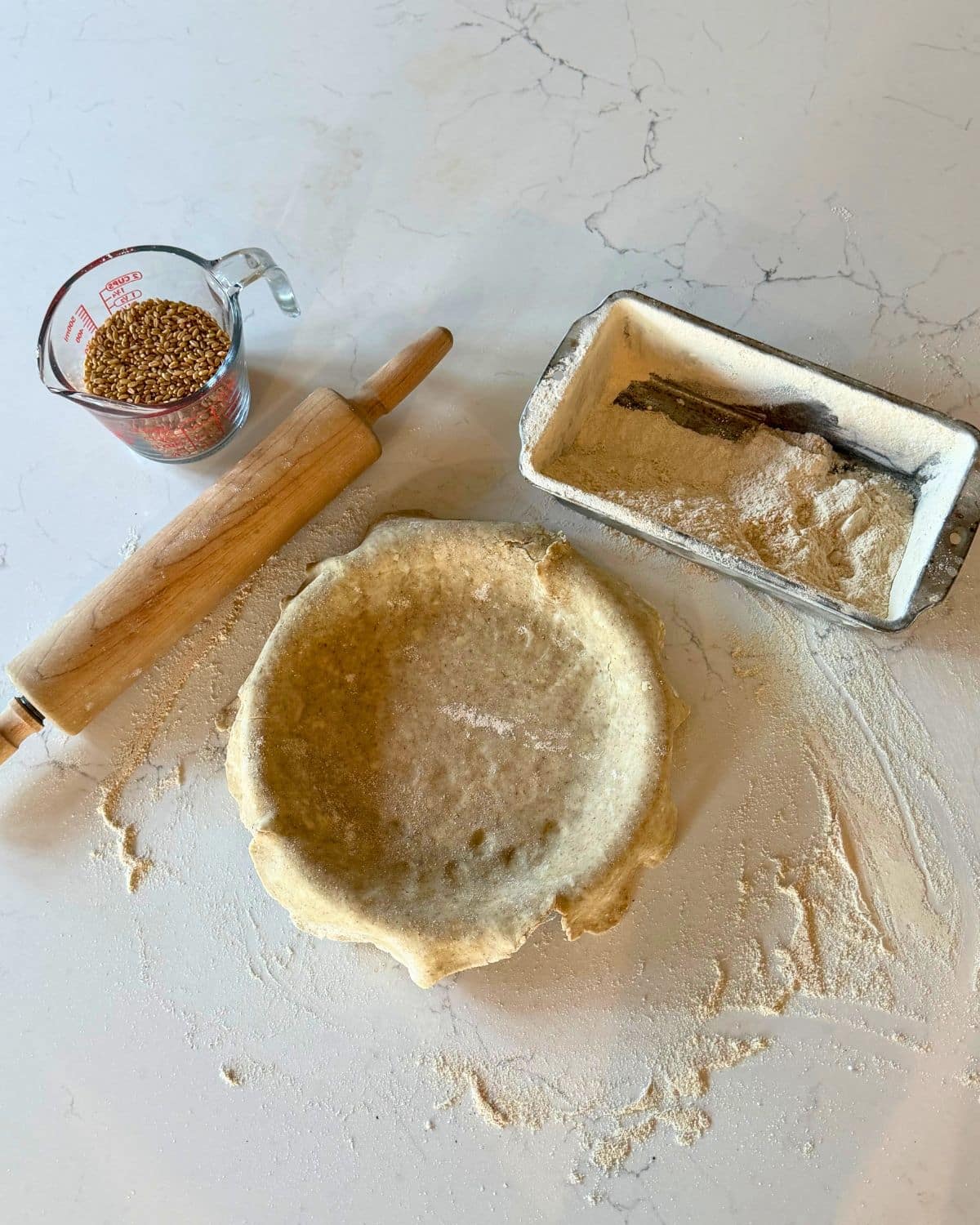
Pre-packaged “convenience” foods come with big markups… Shifting back to basic, bulk ingredients—like whipping up a simple, flaky homemade pie crust or baking from scratch—is where real long-term savings live!
7 – Build Meals Around Beans, Rice, & Potatoes
Dry beans, whole rice, and fresh potatoes are the ultimate budget powerhouses.
Dry vs. Canned Beans: Buying dry beans and soaking/cooking them yourself costs roughly a third of buying canned beans, and the texture is vastly superior…. And canning your own beans add convienance to savings!
Meal Building: Make a habit of serving 2 to 3 stretch-meals a week centered around these staples… Like hearty baked potato nights loaded with leftover chili, black bean and corn quesadillas, or classic seasoned beans over fragrant rice.

8 – Master 5 Basic From-Scratch Essentials
You don’t need to make every single thing from scratch overnight, but mastering a few basic recipes can cut out processed foods completely:
- Quick Biscuits & No-Knead Bread: Basic flour, salt, yeast, and water make bread for pennies a loaf.
- Simple Salad Dressings: This easy RANCH DRESSING recipe is so simple, and my family loves it! We also LOVE the cilantro lime ranch, and this easy 3 ingredient lemon dill sauce/dressing! Or just whisk together 3 parts oil, 1 part vinegar or lemon juice, a dab of mustard, salt, and pepper.
- Pancake & Waffle Mix: Pre-mix flour, baking powder, sugar, and salt in a jar for instant mornings.
- Homemade Taco Seasoning: Combine chili powder, cumin, garlic powder, onion powder, paprika, and oregano in bulk.
- Simple Cream Soups: Skip canned cream soups by learning a basic roux (equal parts fat and flour, whisked with milk and broth until thick).
Household Organization & Preservation
Save money before you even step foot in the grocery store by tightening up your household routines!
9 – Shop Your Pantry & Fridge First: Reverse your meal planning process. Instead of picking recipes and writing a huge shopping list, open your refrigerator, freezer, and pantry to see what needs to be used immediately.
The “Use First” Bin: Designate a specific ‘Eat Me First’ basket in your fridge for items getting close to their expiration date or veggies that need to be used before they go sad.
Plan Around the Scraps: Then build your meal plan around those foods first… And only buy the missing “filler” ingredients at the store!
10 – Grow What You Eat (Even a Small Patch Saves Big)
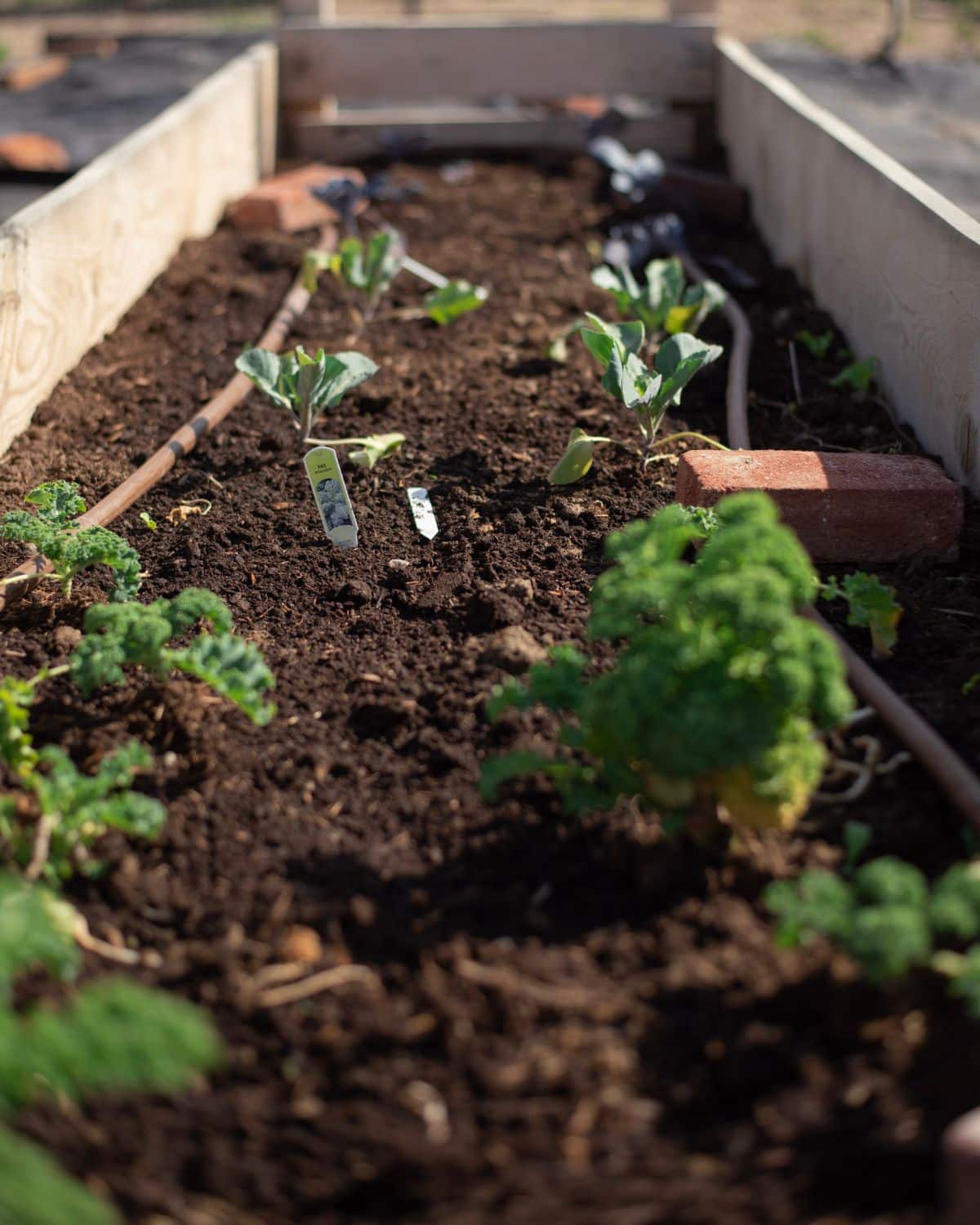
One of the single biggest ways our family slashes our grocery bill during the warmer months is by stepping outside into the garden! During the summer and early fall, we almost completely stop buying produce at the store because our garden supplies a constant harvest of fresh raspberries, huge sweet blackberries, plums and apples, squashes, tomatoes, and greens.
You don’t need acres of land to make a real dent in your bill. Starting small with high-yield crops like zucchini, tomatoes, bush beans, or fresh herbs gives you a huge return for minimal cost. Every bowl of lettuce or bag of tomatoes you pick in your backyard is money that stays right in your wallet… And if you save the seeds from this years harvest, you wont have to buy those seeds next spring!
11 – Preserve Extra Produce (Even in Small Batches): You don’t need a massive orchard or acres of land to preserve food! You can easily put up small batches right on your kitchen counter.
- Freezing: If berries or peppers are on clearance, chop and freeze them on a baking sheet before transferring to freezer bags.
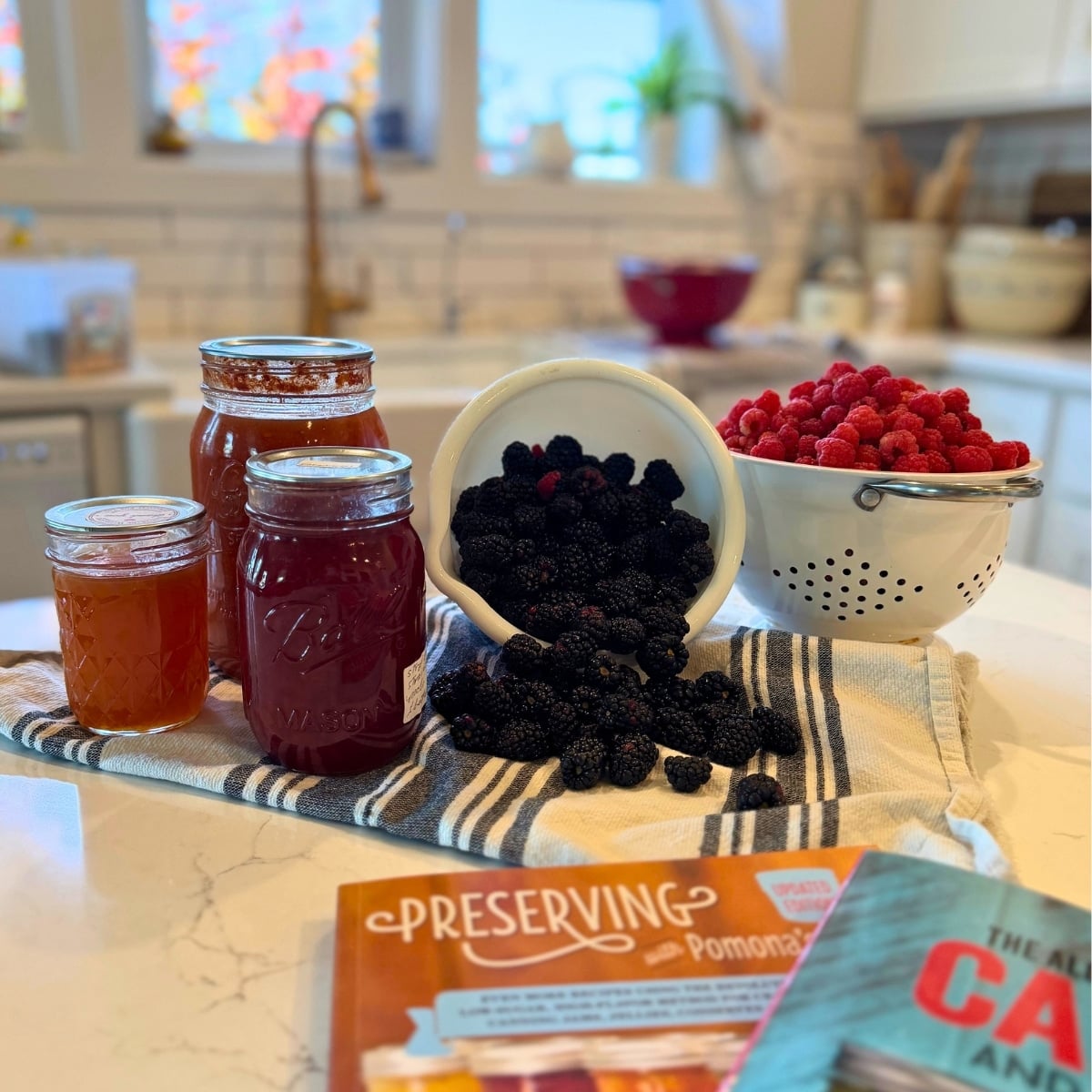
- Water-Bath & Pressure Canning: Learn basic canning safety to put up seasonal gluts of tomatoes, fresh jams, pickling cucumbers or beets, or stocks when ingredients are cheap and in season.
- Dehydrating: Dry leftover herbs, fruit, apple slices, or tomatoes for long-term pantry storage!
5 – Get Started This Week
Trying to change every kitchen habit all at once leads to burnout. If you’re a young family starting out on this journey, pick just two habits from this list to start this week.
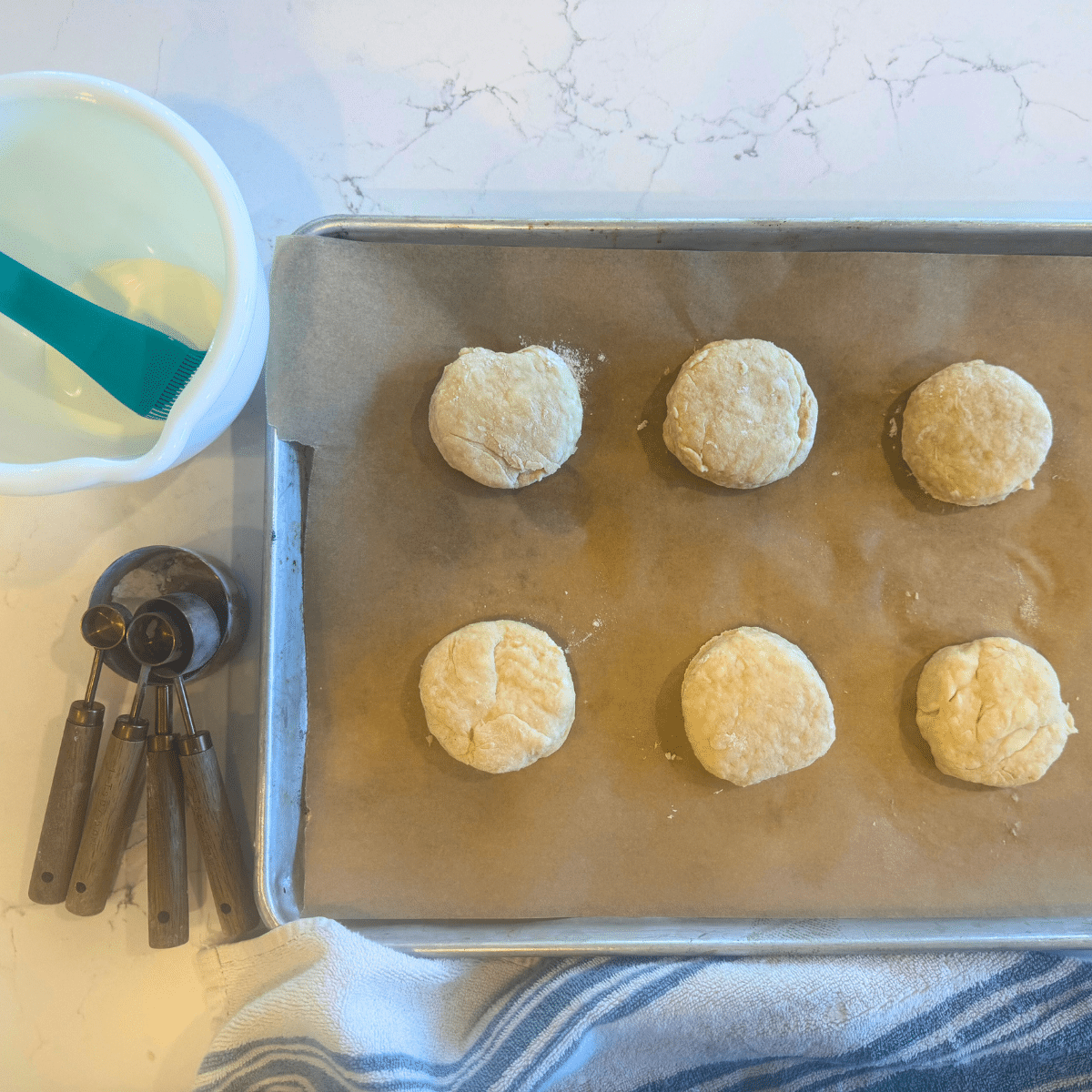
Maybe you start keeping a stock bag in your freezer and save your bacon grease, or maybe you try stretching your ground beef with lentils for dinner tomorrow night, or make a batch of sourdough stater and sourdough biscuits from scratch… Once those feel natural, layer on two more. Small, intentional choices in the kitchen add up over time into meaningful savings for your family budget.
I’d love to hear from you! What is your favorite Depression-era trick or money-saving habit passed down in your family? Share your best tips in the comments below!


2 comments
Laura
This brings back memories of my childhood. When we did all these things. My grandparents taught us! This was before unhealthy convenience foods became the norm. Thanks for sharing. By the way I still do some but not all of these. But will try to do more.
Juliea Huffaker
Hi Laura! Thank you so much for your sweet comment. It’s so special that you have those wonderful memories of learning these habits from your grandparents…— That generation truly knew the value of resourcefulness and making things last! Even adopting a couple of those small habits can make such a big difference over time. I’m so glad this post brought back good memories for you. Thank you for sharing your story! – Juliea